

My reading year: 2026
What I read informs how I work. It influences how I approach editing, language and storytelling. More than anything, this list is simply an insight into the books I enjoy reading.
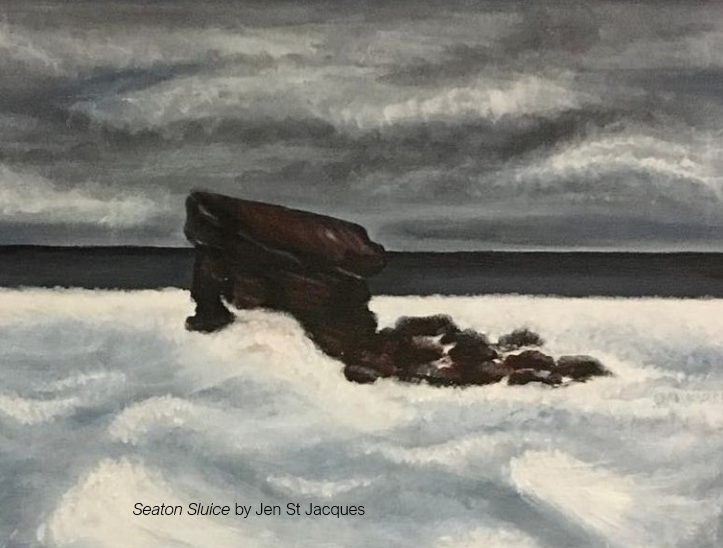
Revisiting the classics ...
This year, I'm embarking on a return to classic authors. There's an unparalleled richness in their prose and an enduring relevance in their themes. Revisiting these classics is, of course, a pleasure, but it's also a masterclass in storytelling, character development and narrative craft.
And in between, I want to squeeze in a lot more non-fiction.
January 2026
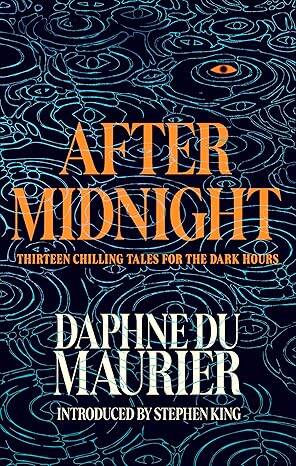
Daphne du Maurier, After Midnight
These short stories are darkly gothic and make perfect winter reading. The stories are actually quite long, straying into novella territory. The prose, typical of du Maurier, is exquisite: 'On December the third the wind changed overnight and it was winter' (opening line of 'The Birds').
The horror is largely psychological rather than external, as exemplified in two of my favourite stories: in 'The Apple Tree' grief and guilt morph into something physical and inescapable, while in 'Ganymede' classical ideas are invoked to legitimise desires.
4*
February 2026
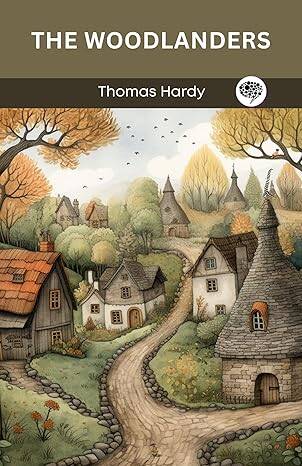
Thomas Hardy, The Woodlanders
Thomas Hardy isn't everyone's cup of tea, but this story – reputed to be Hardy's favourite – is well worth a read.
The storyline has some inconsistencies (probably due to its serialised publication), but these are overshadowed by powerful description and characterisation. It depicts a harmonious natural setting that is threatened by worldly concerns.
Giles Winterborne is one of literature's great characters, signifying vanishing ideals such as the authentic self and harmony with nature. This is timeless stuff.
5*
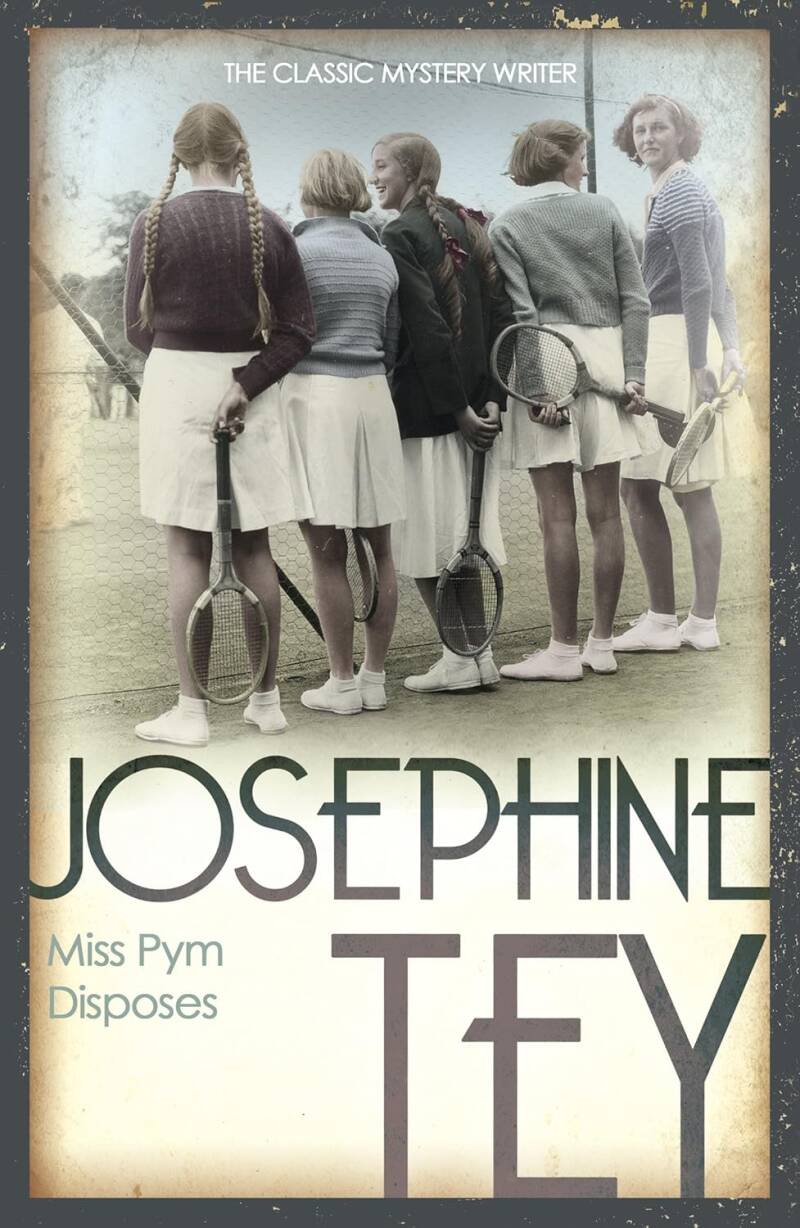
Josephine Tey, Miss Pym Disposes
What a story. This isn't the typical whodunit: Tey spends almost two hundred pages preparing the groundwork; when the crime eventually occurs the reader is wholly invested. The 'investigation' involves Lucy Pym's psychological wrangling rather than objective detective work, thus setting this story apart from the popular crime fiction of the period (1940s). While Tey's language and political persepectives may now feel dated (and even offensive), her treatment of the moral aspects of crime feels modern. Read it.
5*
March 2026
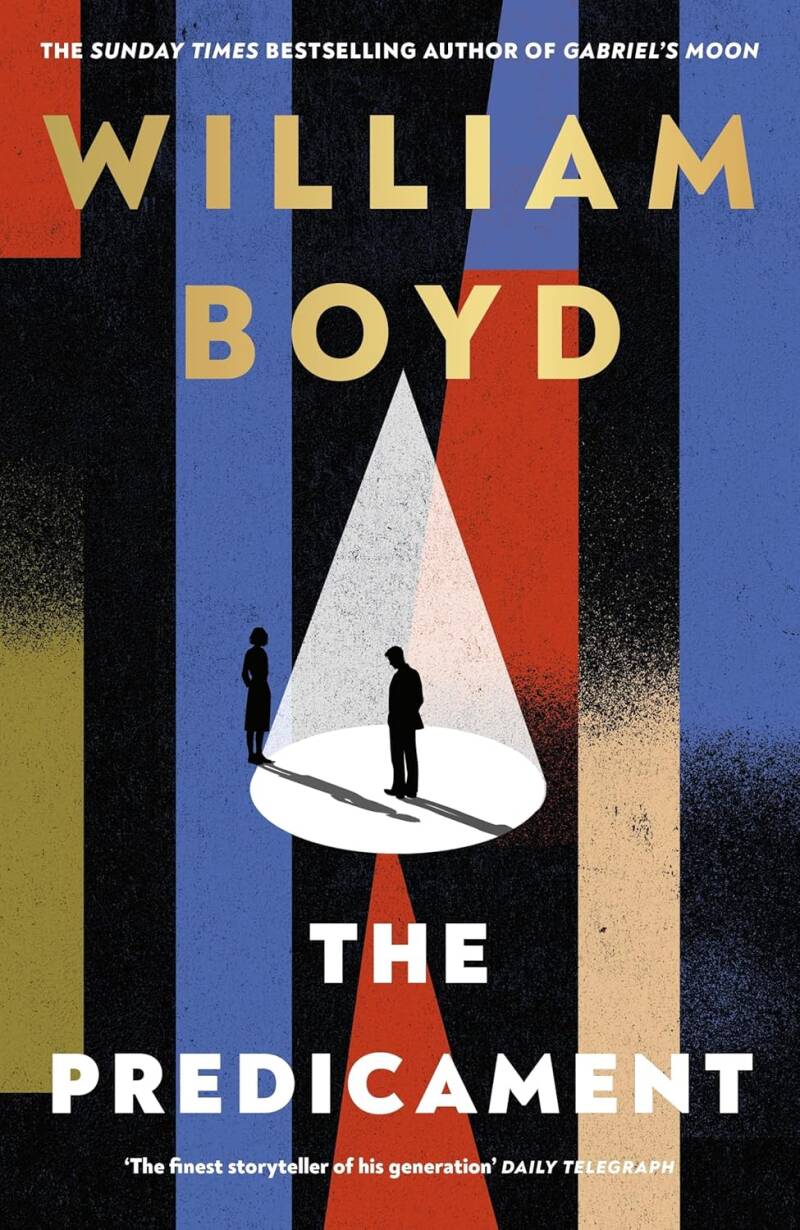
William Boyd, The Predicament
Travel writer Gabriel Dax resumes his role as accidental spy in this enjoyable sequel to Gabriel's Moon. Once again, Boyd's likeable protagonist suspects he is a 'useful idiot', knowing as much or as little about his undertakings as we readers do – which makes it easy to warm to him.
This is William Boyd, so it's virtually guaranteed to be a good read – and it is. Nevertheless, it's not in the same league as some of his earlier work, including the spy thriller Restless (which I thoroughly recommend).
3.5*

Graham Swift, Waterland
As expected from Graham Swift, the writing is hypnotic. The style is quite unusual, with the narrator directing his musings at the children he once taught, almost as if he were delivering a lesson.
The scope of this book is ambitious, covering the nature of history and our place within it. To some extent I found it a little too 'clever'. Ultimately, I'd describe Waterland as a book that I not so much enjoyed as admired.
4*
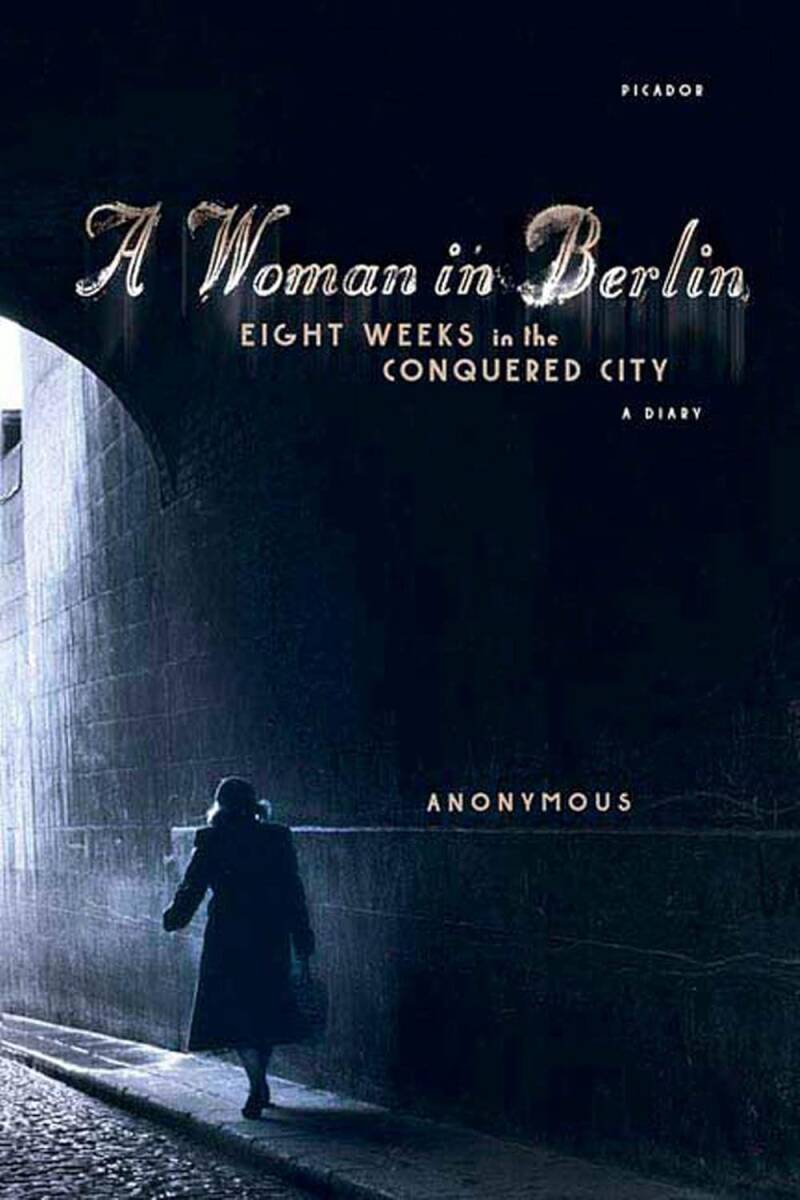
Anonymous, A Woman in Berlin
The diary of a female journalist in the final weeks of the Second World War, this is a harrowing read. While the Red Army liberated Berlin, its soldiers also subjected the women of the city (including the author) to systemic abuse and rape. The diarist, whom we now know as Marta Hillers, details events in lucid, unemotional prose, making this book a valuable primary source.
You can read my article, 'Her name was Marta', here (North East Bylines).
5*
April 2026

Simon Armitage, New Cemetery
This luminous collection showcases exactly why Simon Armitage is Poet Laureate. Although not directly autobiographical, the poems touch upon the writing process, his father's death and, of course, his mediatations on the new cemetery near his home in West Yorkshire.
While the poems don't have traditional titles, each one is headed with a species of moth enclosed, coffin-like, within square brackets. This complements the shape of each poem, comprised of tercets which, as Armitage suggests, could mimic the 'two wings and a body part' of a moth.
Simon Armitage's verse is as familiar and fresh as ever.
5*
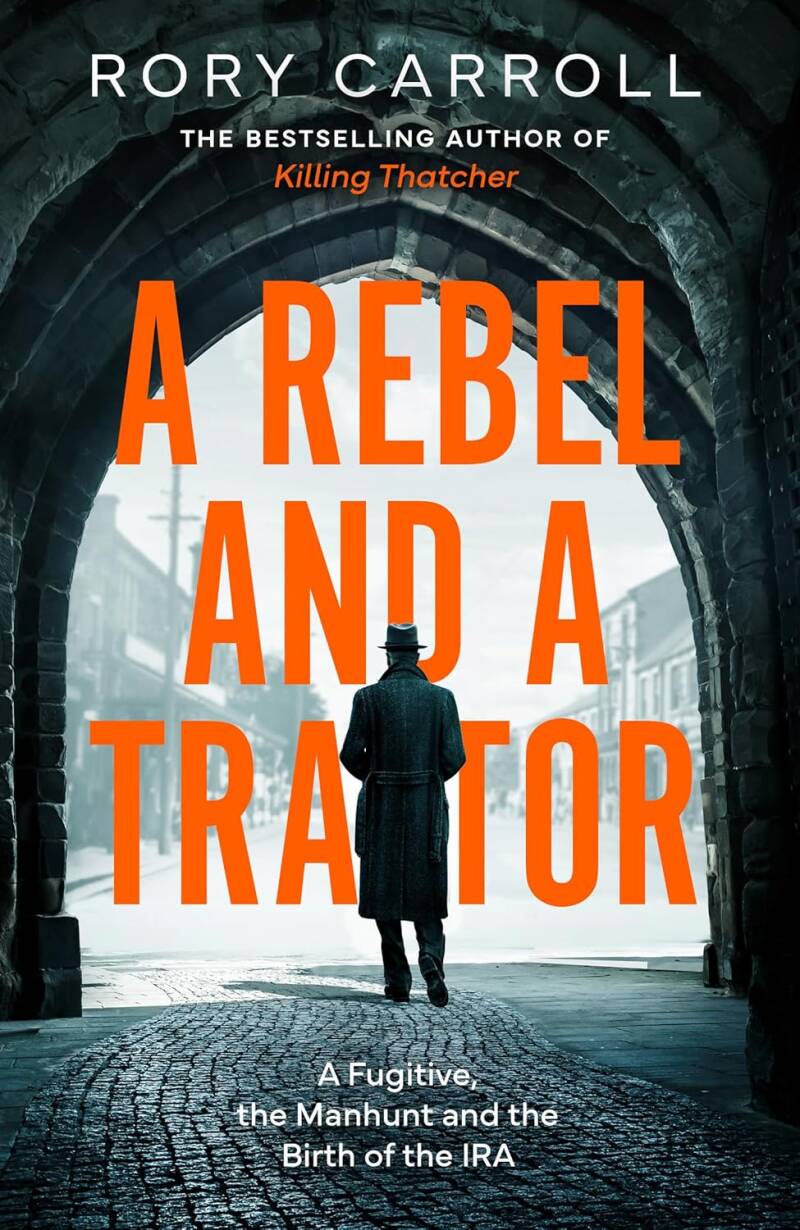
Rory Carroll, A Rebel and a Traitor
The title alludes to Roger Casement, an erstwhile British consul who goes on to play an active role in the preparations for the Easter Rising in 1916, for which he is eventually executed. Spanning 1914–1916, Carroll charts the exploits of Casement and his nemesis, naval officer Reginald 'Blinky' Hall. Casement's story is complicated by his homosexual liaisons, which he documented in five journals, known as the 'Black Diaries'. The book is packed with interesting historical details and is written is a measured yet entertaining style. It left me wanting to get my hands on Carroll's earlier book Killing Thatcher.
4.5*
May 2026
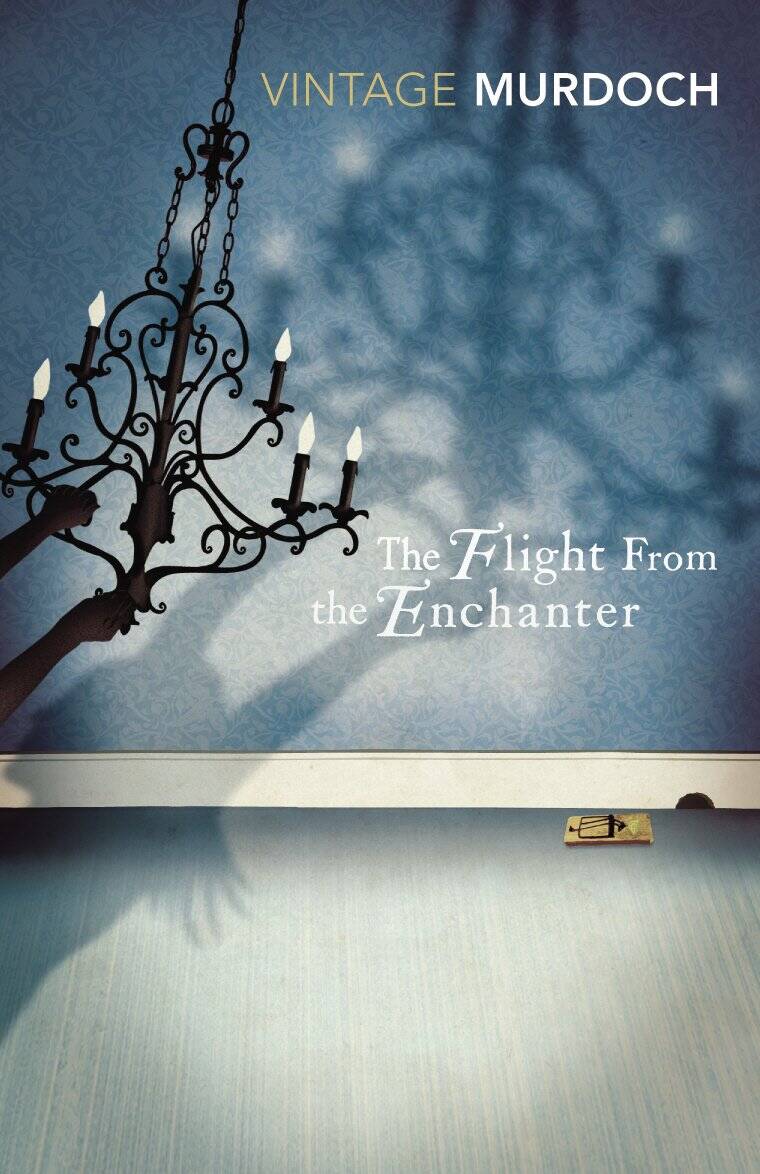
Iris Murdoch, The Flight from the Enchanter
I have seen Iris Murdoch's books described as 'soap operas for the literati' and The Flight from the Enchanter seems to fit that description. With a large cast of characters, the unifying force of the narrative is the enigmatic and manipulative Mischa Fox, from whose seductive web none of the characters can escape. The setting is 1950s London, but it feels contemporary . If you like themes such power and entrapment, and literary devices such as doubling and nominative determinism (for example, Fox suggests a predator while Mischa hints at foreign heritage) then this early Murdoch novel won't disappoint.
5*
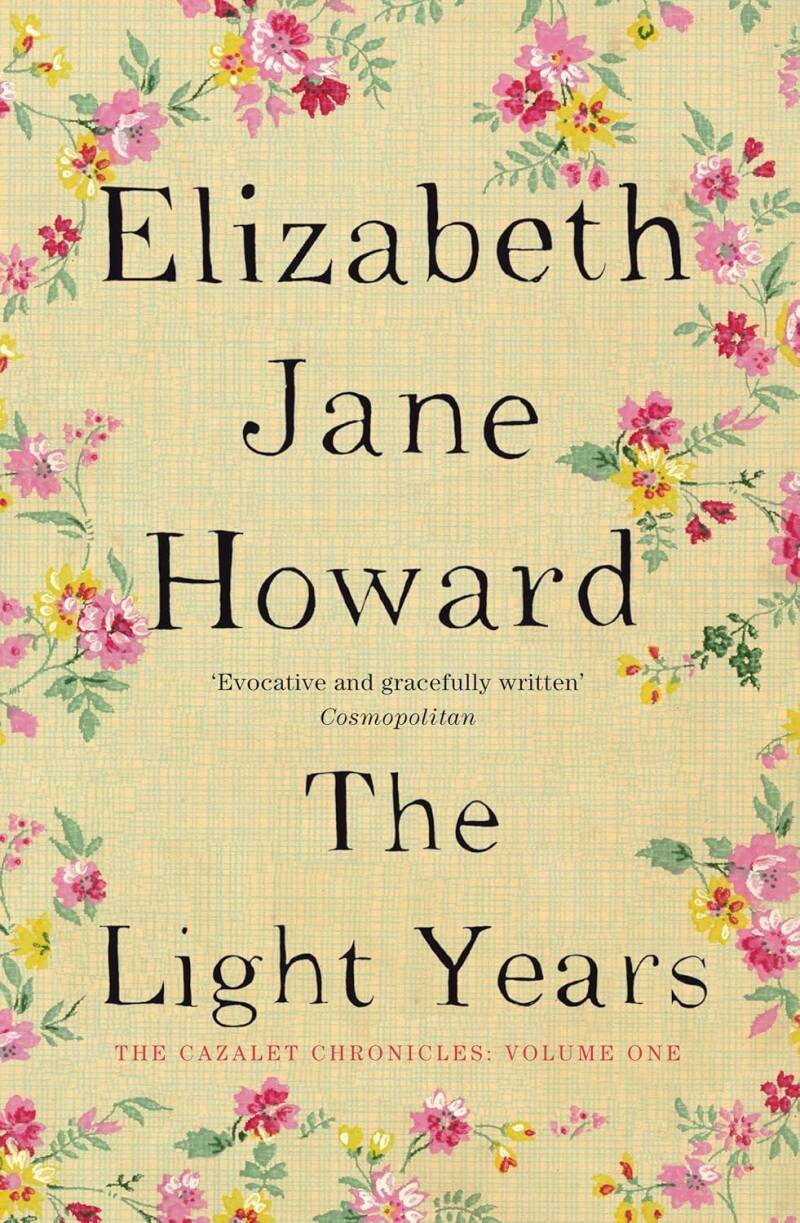
Elizabeth Jane Howard, The Light Years
Thank goodness this family saga, with its large cast of characters, comes with a family tree. This first book in a series about the Cazalet family charts their summer holidays in Sussex as the Second World War inches closer.
This book grew on me. For a while it seemed to depict little more than the goings-on of a privileged group of people, but the reader's persistence is rewarded with exploration of a range of themes, not least the female experience: unwanted pregnancies, sacrificed careers, 'rape' (you'll need to read the book to learn why I used inverted commas here), unfaithful husbands and the fate of the spinster (exemplified by the somewhat tragic figure of Miss Milliment). I'll definitely read more books from this series.
4*
June 2026
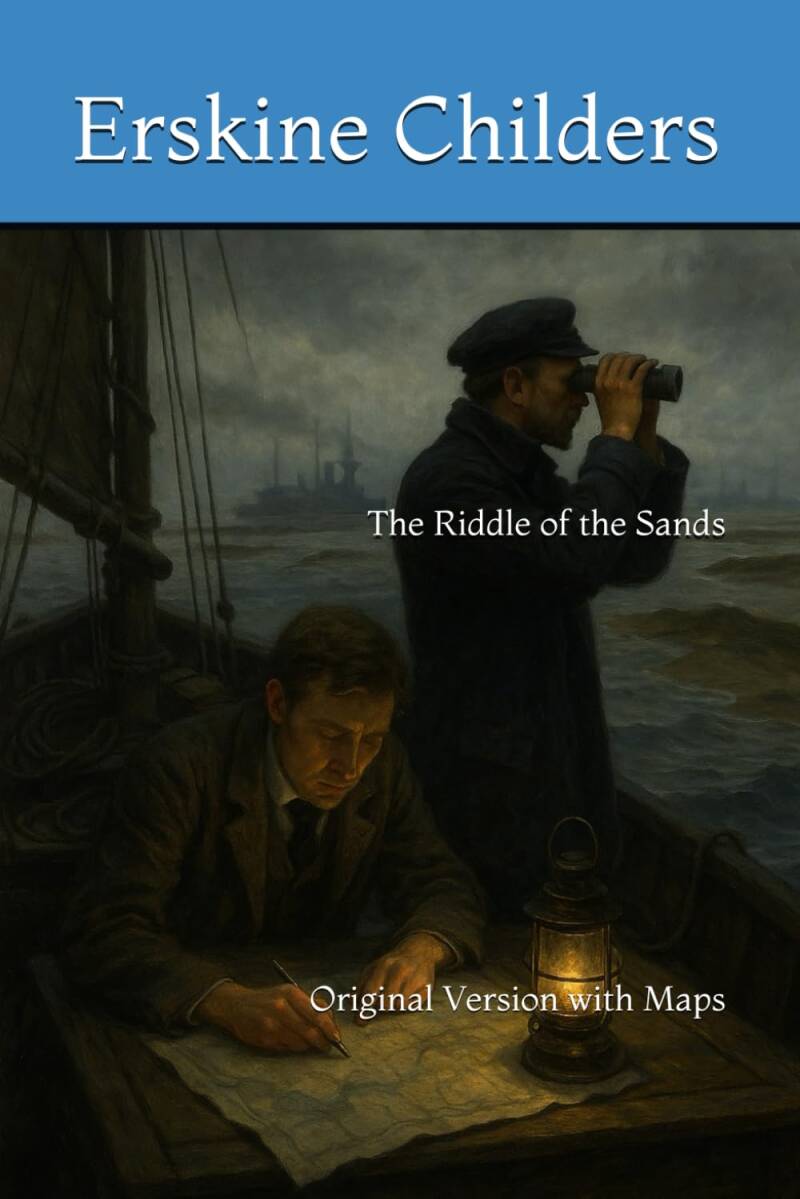
Erskine Childers, The Riddle of the Sands
Published in 1903, this novel became an instant bestseller and is often considered the forerunner of the modern spy novel. In short, narrator Charles Carruthers, a clerk to the House of Commons, joins his old Oxford friend Arthur Davies on a yachting trip around the Frisian Islands, where they uncover a German plot to invade Britain. Given the time of publication, the novel can be read as a threat of war, making its theme a prescient political polemic. The storyline is a blend of patriotism, procedural plotting and technical detail, with a love interest thrown in as a subplot.
Erskine's own life was no less interesting: the Cambridge-educated author was deemed a traitor by the British government and executed by firing squad in 1922.
The book is definitely worth a read, although I found the ubiquitous nautical stuff hard work at times.
4*
July 2026
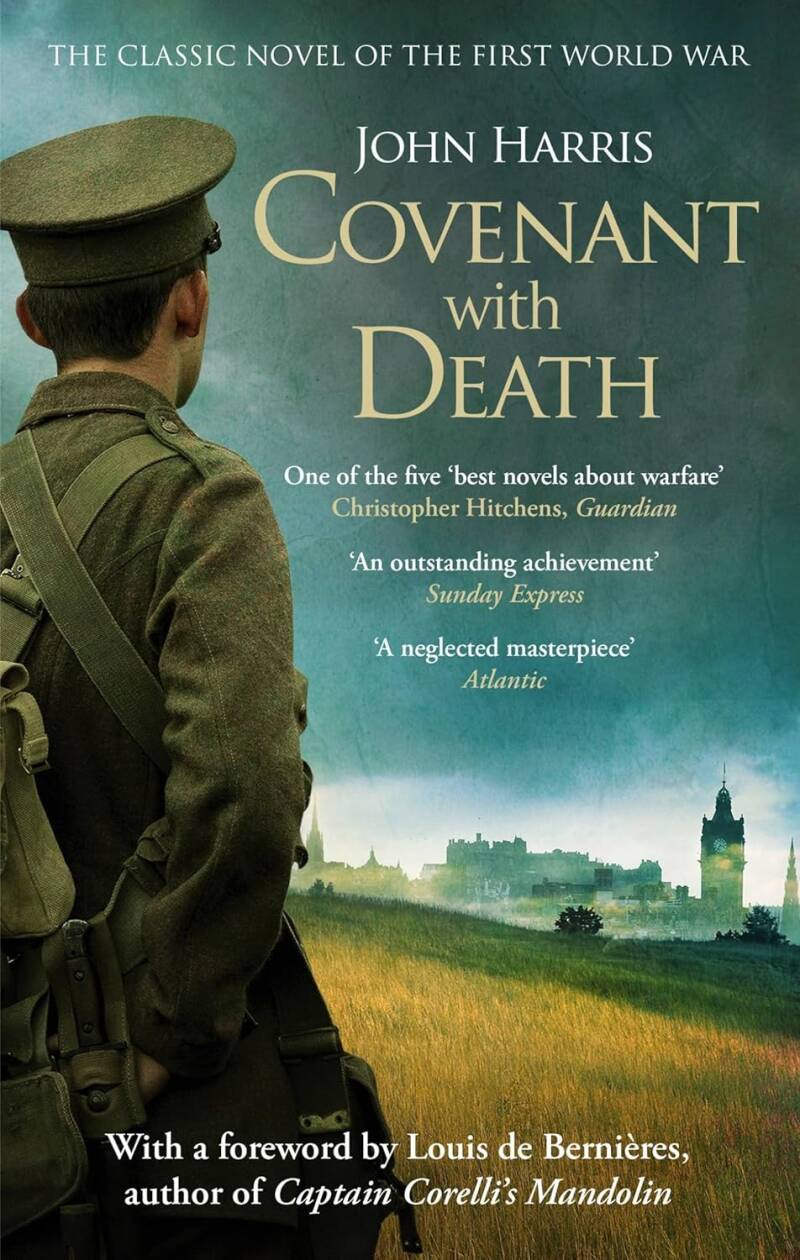
John Harris, Covenant with Death
When the First World War breaks out, Sheffield reporter Mark Fenner – 'Fen' – answered Kitchener's call, like many of his friends, colleagues and acquaintances.
What follows is a crucible of devastating reality. Initially fuelled by naive patriotism, it was being 'joined in spirit' that 'sustained' these young men through the horrors of the Somme.
The author claimed to have 'read almost everything possible on the subject by the men who were there.' It shows. I'm not sure it's possible to read this book and remain unaffected by it.
5*
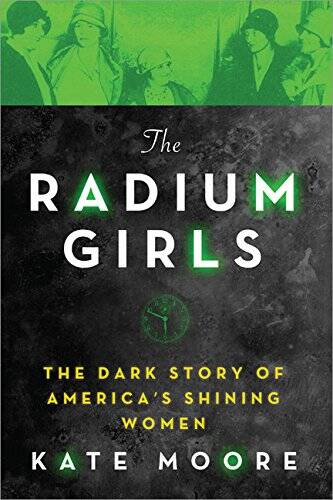
Kate Moore, The Radium Girls
This book exposes the horrors of the young, mainly working-class, women who suffered radium poisoning as a result of their employment as watch-dial painters in the early years of the twentieth century.
Kate Moore describes the girls' symptoms in graphic detail on almost every page. At times this can feel repetitive, perhaps unsurprisingly: increasing numbers of women suffered from similar symptoms.
Equally horrifying is the efforts of employers to escape accountability. Moore details the succession of legal battles the girls faced, yet they remained resilient and determined in the face of seemingly insurmountable obstacles. Their brave fight, ultimately, paved the way for modern workplace safety practices.
While I didn't always find the prose engaging, this is an important story – I'd recommend reading it.
4*
August 2026
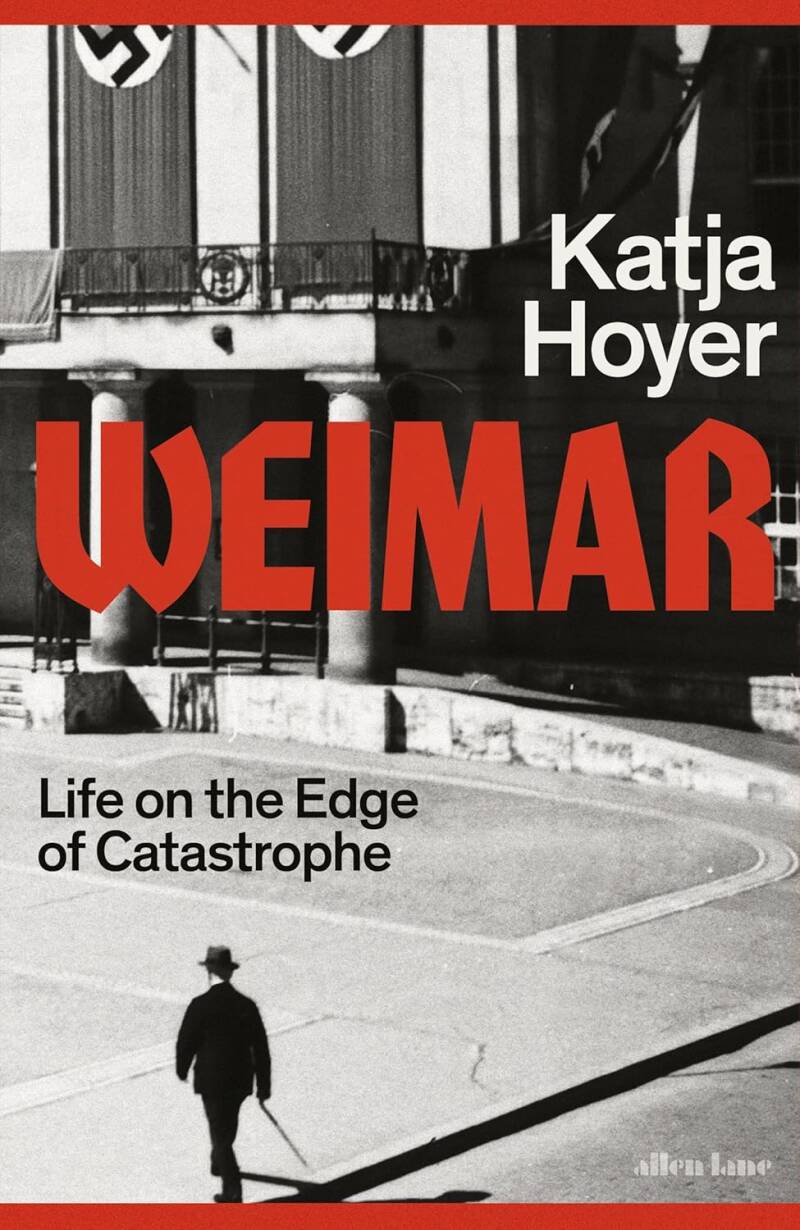
Katja Hoyer, Weimar: Life on the Edge of Catastrophe
The book starts with modern-day Weimarers being confronted with Buchenwald, which was dug out of beech forest surrounding the cultured German town. That a town known for Goethe, Liszt, Nietzsche et al. could exist in proximity to the brutality of the concentration camp 'hit them with blunt force'. This is history at granular level, illustrating how the everyday choices of ordinary folk helped, often unwittingly, to create the conditions for the horrors that unfolded. Katja Hoyer examines intimate local perspectives to help us understand their actions, and ultimately to warn us. The author uses Primo Levi's words as a reminder: 'It happened, therefore it can happen again.'
4.5*
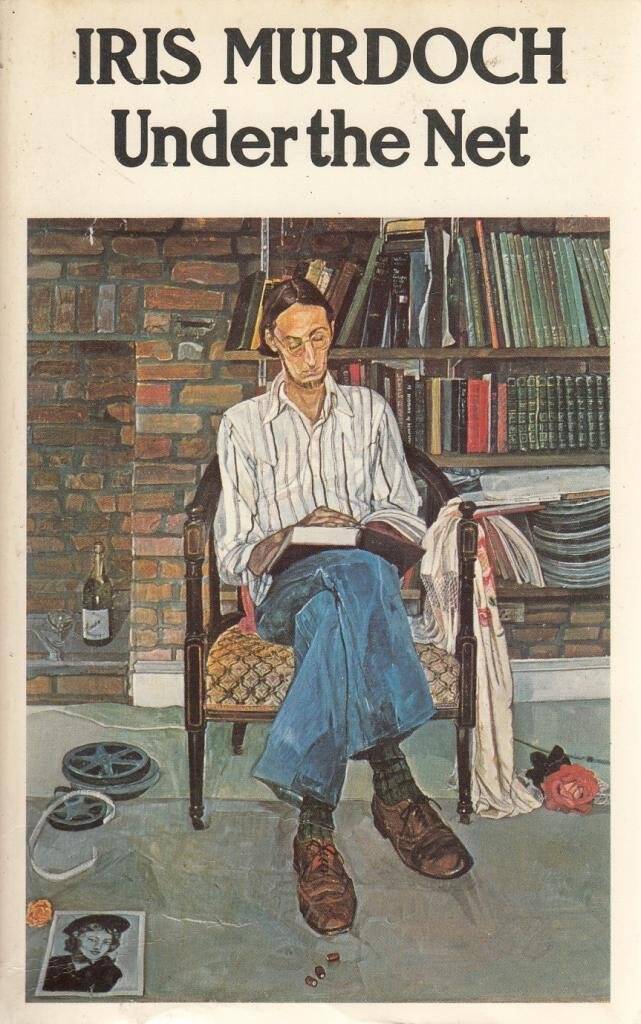
Iris Murdoch, Under the Net
This, Iris Murdoch's first novel, works on two levels. At first glance, it's an entertaining picaresque that charts the (mis)adventures of the somewhat bohemian translator and writer Jake Donahue in postwar London. His escapades include stealing a celebrity dog and escaping from a hospital. Scratch the surface, though, and Murdoch's interest in philosophy comes to the fore. The 'net' of the title (borrowed from Ludwig Wittgenstein's theory) alludes to the way human constructs, such as language, form a net that we cast over messy reality as a form of 'shelter' from the truth. This renders language inadequate, as illustrated in the novel through motifs such as Anna Quinn's 'mime theatre' and Jake's own book, The Silencer. When Jake acknowledges this, he becomes a better writer. All in all, this is an interesting book.
4*
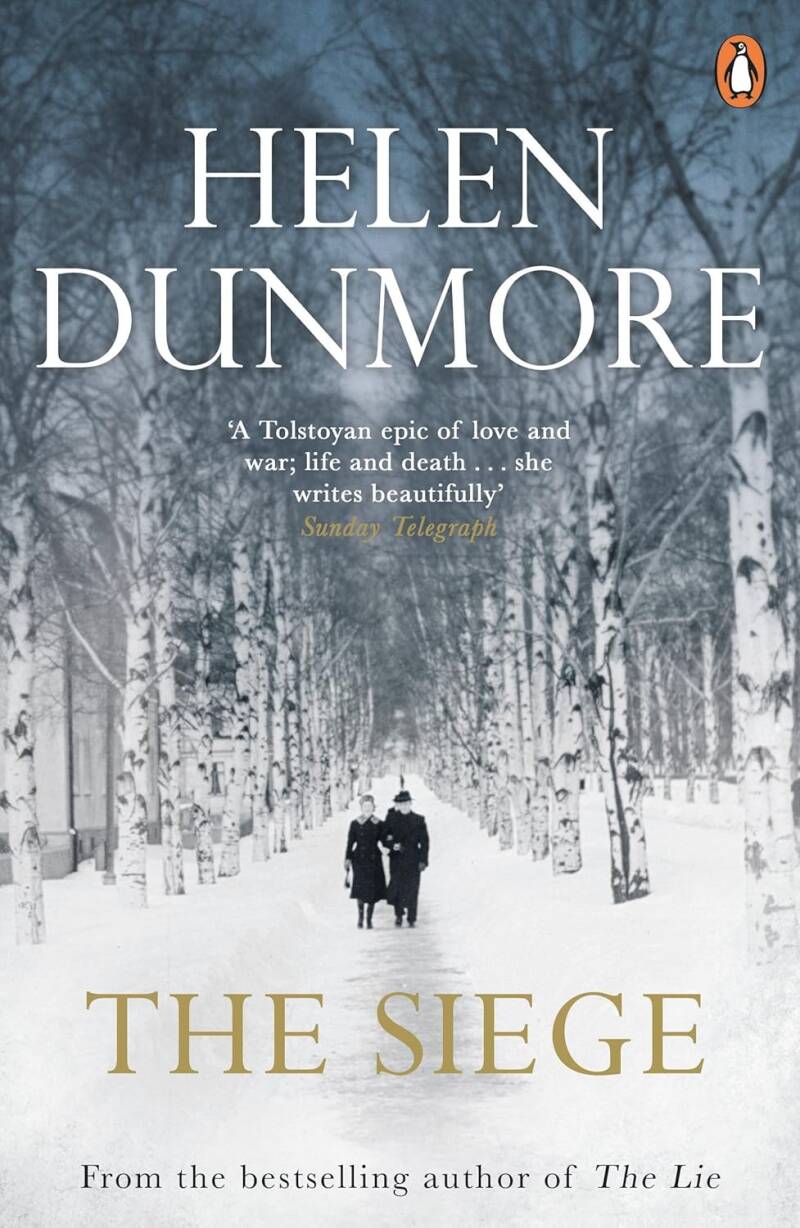
Helen Dunmore, The Siege
I've read a number of both fictional and factual accounts of the Siege of Leningrad, but none as powerful as Helen Dunmore's story about Anna Levin and her small family: her sick father, her younger brother Kolya (for whom she is a mother figure), and her father's friend Marina. All are trapped in Leningrad and in their small apartment as winter sets in. In The Siege, military and political events are mere background: the priority is individuals and how they fight starvation and brutal temperatures during the 1941 Nazi blockade. Told in present tense, Anna's story feels immediate and inescapable. The focus on minutiae – the small, desperate acts and sensory details – is devastating, not least in the scene where the only source of food is wallpaper paste from Kolya's toy fort. Dumore's poetic prose is all the more effective because it's rooted in truth: this novel is thoroughly researched, and the bibliography acts as a stark reminder that humans really did endure this.
5*
September 2026
Add comment
Comments